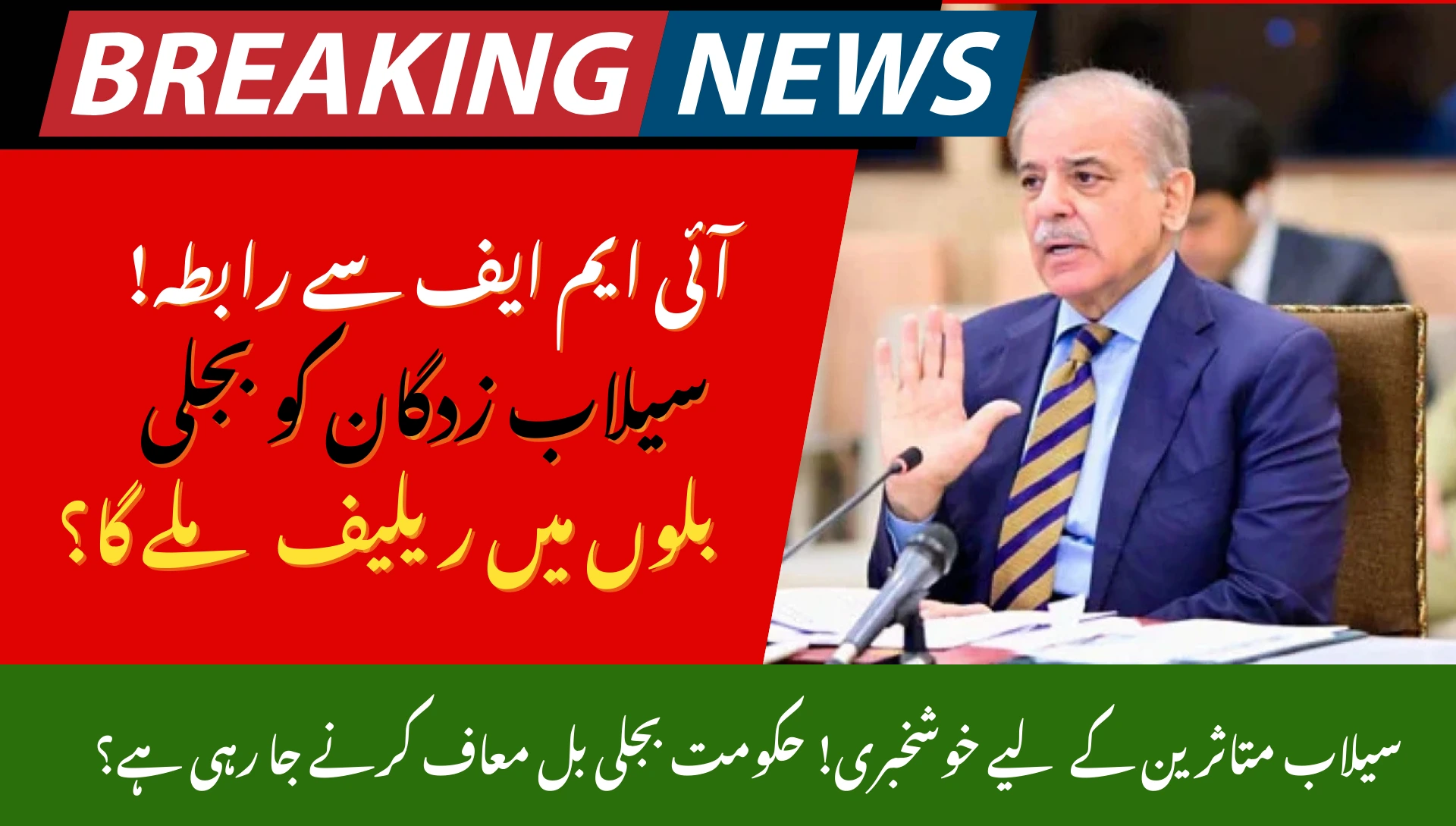
The year 2025 has been yet another testing time for Pakistan as the country faced destructive monsoon floods, displacing millions of people and leaving large parts of Sindh, South Punjab, and Balochistan under water. These floods not only destroyed agricultural lands and homes but also crippled livelihoods, leaving families unable to pay for even basic necessities like electricity. Prime Minister reduce the Electricity Bill Relief for Flood Victims in Pakistan 2025.
To provide urgent financial relief, Prime Minister Shehbaz Sharif announced a special electricity bill waiver and subsidy program for flood victims across Pakistan. This initiative—part of the federal government’s broader disaster relief agenda—is aimed at easing economic pressure, strengthening recovery, and ensuring that households in crisis are not cut off from power.
Also check latest scheme by Prime Minister Shehbaz Sharif
In this article we will discuss at the scheme, its eligibility criteria, recent updates from 2025, and the wider implications for disaster recovery.
Electricity Bill Relief Program 2025: An Overview
The relief package announced by PM Shehbaz Sharif in August 2025 focuses on electricity bill waivers and subsidies. Its purpose is to ensure that flood-affected households with limited resources are not forced to choose between survival essentials and paying bills.
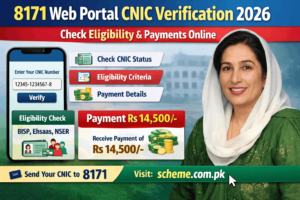


Key Components of the Relief Program:
- Three-Month Waiver on Electricity Bills
- Consumers using up to 300 units per month in NDMA-declared flood-hit districts will not have to pay monthly electricity bills for July, August, and September 2025.
- The waiver is designed to benefit over 2 million households nationwide.
- Subsidized Tariffs Extended Until December 2025
- Even after the three-month waiver, flood victims will enjoy discounted electricity tariffs until the end of the year.
- Revised tariffs include:
- 0-100 units = PKR 5 per unit (down from 7)
- 101-300 units = PKR 10 per unit (down from 14)
- Solar Power Solution for Resiliency
- The government pledged to provide 50,000 solar panel kits in the first phase of the program (2025), prioritizing areas with frequent outages.
- By reducing long-term dependence on the grid, this not only lowers bills but also builds resilience against similar disasters in the future.
- Digital Relief Tracking via NDMA Portal
- A transparent, automated portal has been introduced by the NDMA where applicants can apply online, track their status, and receive SMS updates.
- This ensures quick processing while minimizing corruption and delays.
Apply now : PM Electric Bike Scheme Pakistan 2025
Who Is Eligible for Electricity Bill Relief in 2025?
The government has outlined clear criteria to target assistance:
✅ Domestic consumers in declared flood-affected districts
✅ Households consuming up to 300 electricity units monthly
✅ Families registered under NDMA or provincial disaster authorities
✅ Those who have filed flood damage reports or live in relief camps
Excluded from the Scheme:
❌ Commercial and industrial users
❌ Consumers exceeding the 300-unit threshold
❌ Residents of non-declared districts
Step-by-Step Application Process
1. Online Application via NDMA Portal
- Visit NDMA.gov.pk and go to the “Electricity Bill Relief 2025” section.
- Enter details like CNIC, reference number from last electricity bill, and residential address.
- Upload required documents such as CNIC copy and NDMA relief registration slip.
- Submit application and receive a tracking number.
- Approved applicants get SMS confirmation within 72 hours.
2. Offline Application through Power Distribution Companies
- Visit the nearest LESCO, IESCO, SEPCO, QESCO, or MEPCO office.
- Fill out the Bill Relief Form and attach:
- CNIC copy
- Proof of residence in flood-affected area
- Copy of latest bill
- Submit documents and collect acknowledgment slip.
3. Helpline and Mobile Teams
A 24/7 PM Relief Helpline (0800-12345) has been activated for inquiries. Additionally, mobile registration vans have been deployed in remote districts to ensure that victims without internet access can register with ease.
Recent Updates (October 2025)
- Extension of Relief Beyond September: Due to continued flooding in parts of Sindh and Punjab, the waiver program has been extended until October 2025 for the hardest-hit districts.
- Faster Processing: The NDMA has integrated AI-based document verification to cut down processing delays. This step ensures most applications are approved within 5 business days.
- Distribution of Solar Kits Started: In September 2025, the first batch of 20,000 solar panel kits was distributed in Sindh and Balochistan. Families reported immediate relief in power costs.
- Awareness Campaigns in Rural Areas: Government in cooperation with NGOs launched village information drives, ensuring victims in remote places know how to apply.
Challenges in Implementation
Though the electricity relief program is widely appreciated, some obstacles remain:
⚠ Delays in Data Verification: While automation helps, overloaded systems sometimes cause processing delays.
⚠ Excluded Areas Complaint: Some families living near impacted regions argue they should also qualify, sparking political debates.
⚠ Limited Awareness: Many flood victims, especially in rural Sindh and Balochistan, still don’t fully understand how to apply.
The government is working to address these issues through field teams, NGO collaborations, and simplified application methods.
Part of a Bigger Relief Strategy
Shehbaz Sharif’s electricity relief measures are only one pillar of the flood recovery framework. Other linked initiatives in 2025 include:
- Housing Reconstruction Grants: PKR 500,000 for families with fully destroyed homes.
- Interest-Free Business Loans: For small shopkeepers and farmers to restore livelihoods.
- Healthcare & Nutrition Programs: Free medical camps in Sindh and Punjab.
- Infrastructure Upgrades: Strengthening embankments, drainage systems, and climate-resilient housing.
This integrated approach goes beyond immediate relief, focusing on long-term resilience.
Public Response
The reaction to the electricity relief program has been mixed but largely positive:
🌟 Praise: Many families welcome the waiver as a lifeline, helping them survive during displacement and job loss.
🌟 Trust Building: The digital tracking system has created more trust, as people can see their application status and avoid middlemen.
😟 Concerns: Critics argue that the 300-unit cap excludes larger families in flood-hit areas, forcing them to still pay bills despite hardship.
Nevertheless, the initiative demonstrates a strong leadership response and the government’s recognition of people’s urgent needs.
Conclusion
In 2025, PM Shehbaz Sharif’s electricity bill relief program is a beacon of relief for flood victims, easing financial burdens during one of the country’s most difficult natural disasters. By waiving electricity bills, extending subsidies, distributing solar panels, and ensuring digital accessibility, the government has aimed to protect vulnerable households from further economic collapse.
This scheme, complemented by broader reconstruction and rehabilitation initiatives, represents a turning point in Pakistan’s disaster management policy. one that prioritizes both short-term relief and long-term resilience.
For millions struggling to get back on their feet, these measures don’t just keep the lights on—they help restore hope.